Clinical work

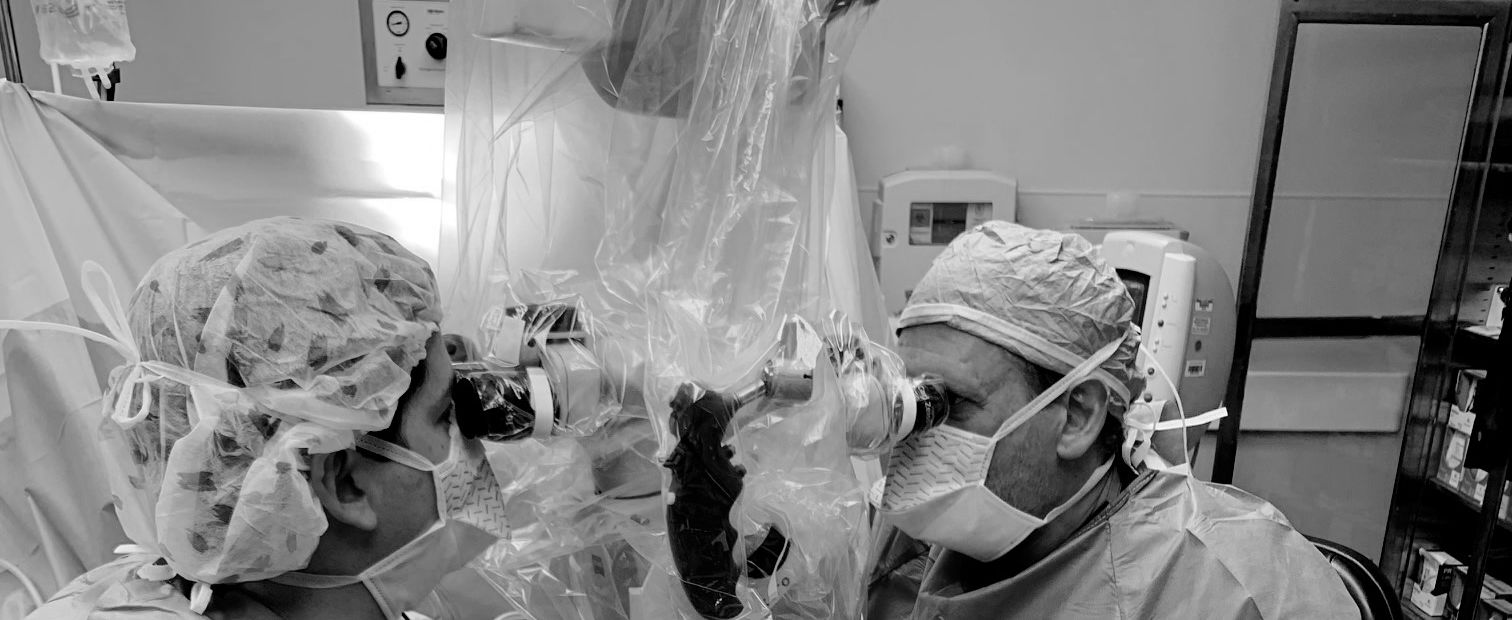
Two surgeons working through an operating microscope, heads lowered to the eyepieces.

Trauma.
Limb salvage.
Reconstruction.

High-acuity reconstructive surgery for injuries and wounds in which tissue loss, exposed structures, infection or compromised viability make conventional closure inadequate.

Reconstruction
when simple closure
is no longer an option

Hospital-based plastic and reconstructive surgery for major trauma, limb-threatening wounds, complex soft-tissue loss, and reconstruction of the hand and upper extremity.

Andrew Mark Klapper, MD practices hospital-based plastic and reconstructive surgery in Delray Beach, Florida. His clinical work includes major trauma reconstruction, limb salvage, complex wounds with exposed bone or hardware, and reconstruction of the hand and upper extremity. The practice serves as a regional referral resource for complex reconstructive problems from Palm Beach County and beyond.

Certified by the American Board of Plastic Surgery.

Hospital-based reconstruction

Delray Beach, Florida

  • Trauma Reconstruction
  • Limb Salvage
  • Complex Wounds
  • Hand & Extremity Reconstruction

Plastic Surgery Trauma Associates · Delray Medical Center

Regional referral reconstruction

A high-volume hospital-based reconstructive practice caring for patients with major trauma, limb-threatening wounds, complex soft-tissue injuries, and difficult reconstructive problems.

Patients are referred from Palm Beach County and beyond.

Thousands of hospital-based activity records and procedure entries since 2021.

7,800+
documented physician activity records since January 2021
2,700+
indexed procedure entries in the same period

Aggregate counts of hospital report records. Activity records and procedure entries are not counts of unique patients, operations or surgeries.

01

Trauma Reconstruction

Reconstruction after major injury when skin, muscle, fascia, bone, tendon, nerve or hardware is exposed and the defect cannot simply be closed.

  • High-energy trauma
  • Complex soft-tissue defects
  • Exposed bone or hardware
  • Staged reconstruction where appropriate
  • Durable coverage

The operative question is rarely how to close the wound. It is what sequence of operations, in what order, leaves the patient with a limb or a torso that still works once everything has healed — and which of those stages has to happen before the tissue declares itself.
02

Limb Salvage

Reconstruction undertaken when tissue loss, infection, ischemic compromise or traumatic destruction places an extremity at risk.

  • Blood supply
  • Infection control
  • Vascularized coverage
  • Function worth preserving

Salvage is a judgement before it is an operation. A limb that survives without circulation, without sensation or without the muscle needed to move it has been preserved rather than restored, and that distinction decides whether reconstruction is the right answer at all.

03

Complex Wounds

Wounds that have failed conventional treatment, or that cannot heal without reconstruction.

  • Exposed bone
  • Exposed hardware
  • Infected tissue
  • Irradiated tissue
  • Chronic non-healing wounds
  • Complex postoperative defects

A wound that has not closed under good care is usually not a dressing problem. Something structural is missing — blood supply, stable coverage, control of infection — and until that is replaced, no topical treatment will finish the job.

04

Hand & Extremity Reconstruction

Reconstruction in which millimeters matter, and where function depends on what is preserved.

  • Tendon
  • Nerve
  • Soft tissue
  • Function

In the hand and upper extremity, nerve is frequently the variable that decides the result. Bone can be fixed and tissue can be replaced, but without motor and sensory recovery the reconstruction is anatomical rather than useful.

Assessing tissue

Whether tissue will survive is a question answered in the operating room, not assumed from how it looks. Reconstruction is planned against perfusion — what is actually being supplied with blood — using intraoperative fluorescence angiography where it changes the decision.

Reconstruction is not simply closing a wound.

It is deciding what tissue is viable, what structures must be protected, what function can be preserved, and what reconstruction will remain durable after the patient leaves the operating room.

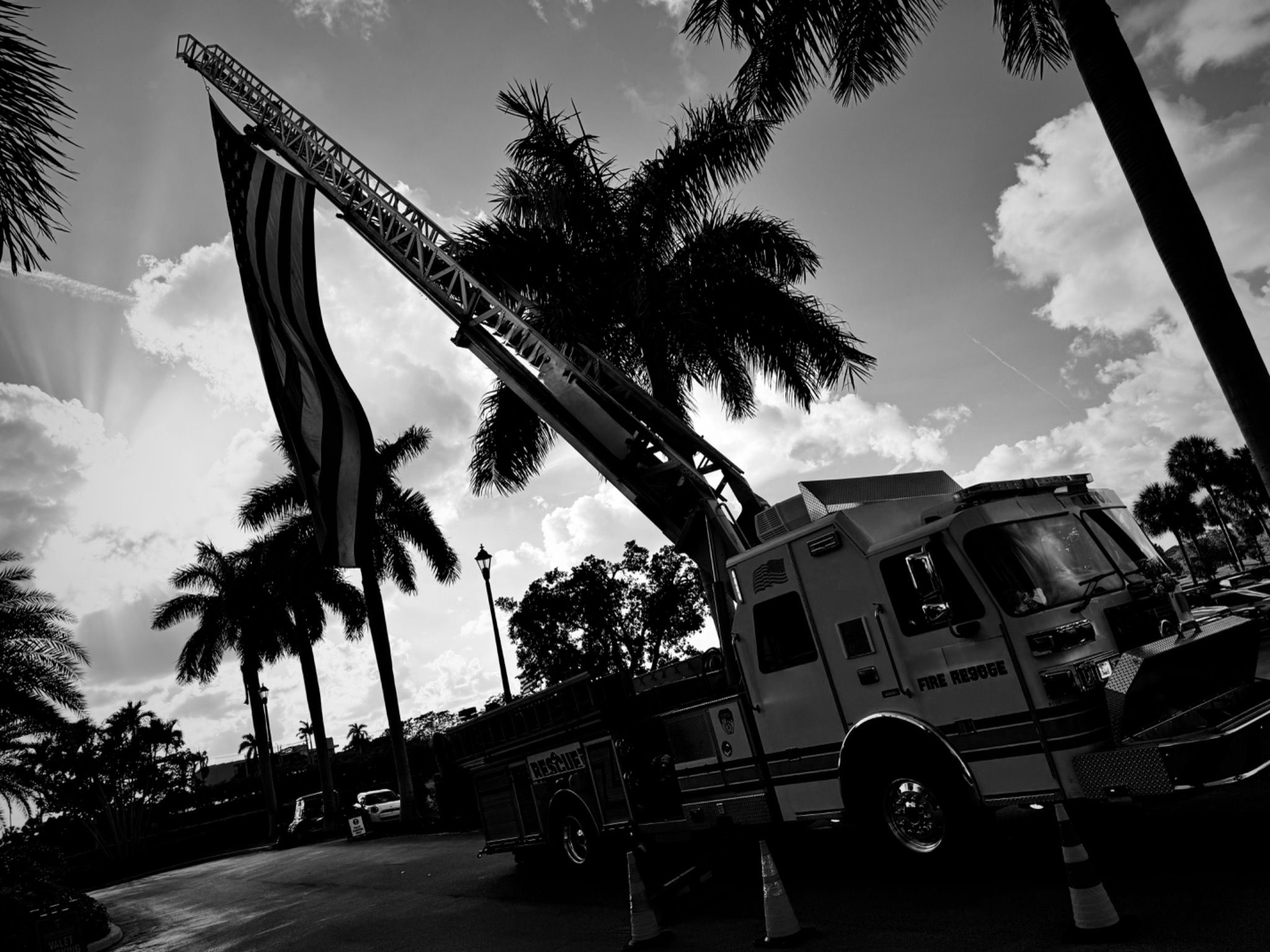
A fire rescue ladder truck with an American flag suspended from the ladder, palms behind.

For physicians

Referrals & clinical inquiries

This page provides general educational information about reconstructive surgery and is not individualized medical advice. Clinical care, records, photographs and patient-specific questions should go through the practice or another secure clinical channel. See the clinical disclaimer.